The TP-Link APAC B2B Summit 2026 in Kuala Lumpur has brought together professionals from multiple regions, but one of the big things that was announced is Wi-Fi 8 and the associated details on how it works.

Brian Dong, TP-Link’s VP for Asia-Pacific, made the case pretty clearly: wireless tech has been sold on speed for years, but none of that matters if your connection drops mid-meeting or a cloud app stalls at the worst possible time. As more Malaysian businesses lean on AI and cloud systems for daily operations, he argued that reliability is becoming the real currency of digital transformation, and this launch is meant to give organizations and households a network foundation they can actually build on with confidence.
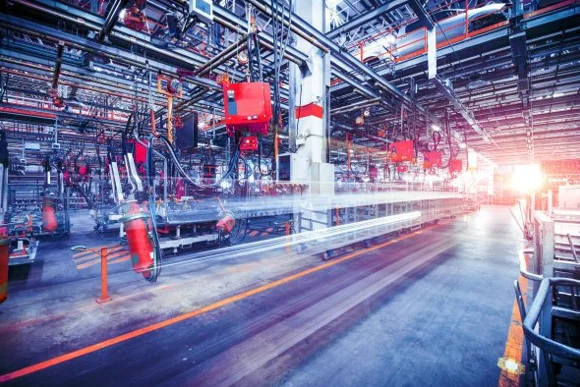
Built on the upcoming IEEE 802.11bn standard, Wi-Fi 8 is centered around what TP-Link calls its StabilityEngine, a system designed to strengthen coverage, manage congestion, and cut down interference so connections stay steady even as more devices pile onto the same network. Once it’s commercially available, TP-Link expects Wi-Fi 8 to deliver steadier coverage across large or multi-floor buildings, stronger connections for devices sitting further from the router, and better performance during peak traffic hours, which should translate to smoother video calls in offices, fewer dropouts in hotels and retail spaces, more dependable connections in hospitals, and steadier performance on factory floors as manufacturers push further into Industry 4.0.
Some of the models were already showcased there, such as the new Archer 8 Ultra router and Deco 8 Ultra mesh system, along with a first look at the upcoming Omada Wi-Fi 8 platform built for business networks.
Beyond Wi-Fi 8 itself, the brand also announced its new Fusion Pro Series, which brings networking and surveillance management together under one unified platform for businesses. The company is also forming the Omada-VIGI AI Application Developer Alliance, bringing together AI companies and developers to build AI-powered tools that plug directly into TP-Link’s networking and surveillance systems, aimed at settings like smart classrooms, retail spaces, factories, and hospitality venues.
On the local front, TP-Link is also investing in talent development, signing MOUs with 3 Malaysian universities to introduce Omada networking courses and hands-on training, helping build up the technical skills needed as more environments become connected and AI-enabled.