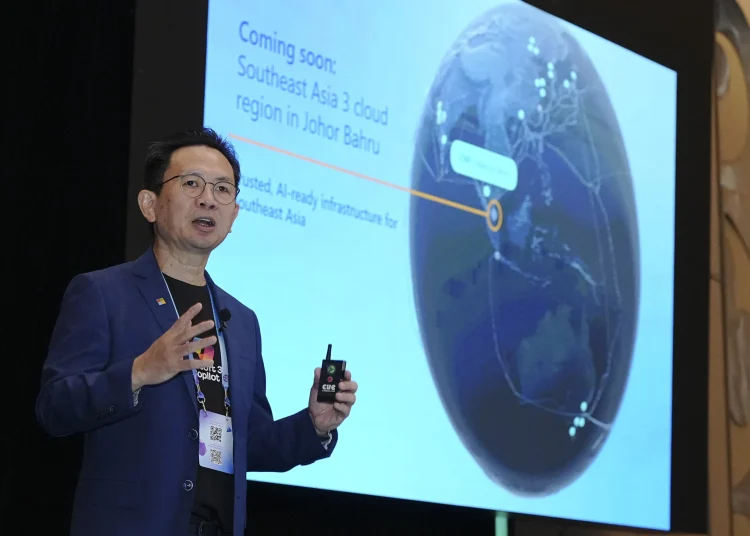
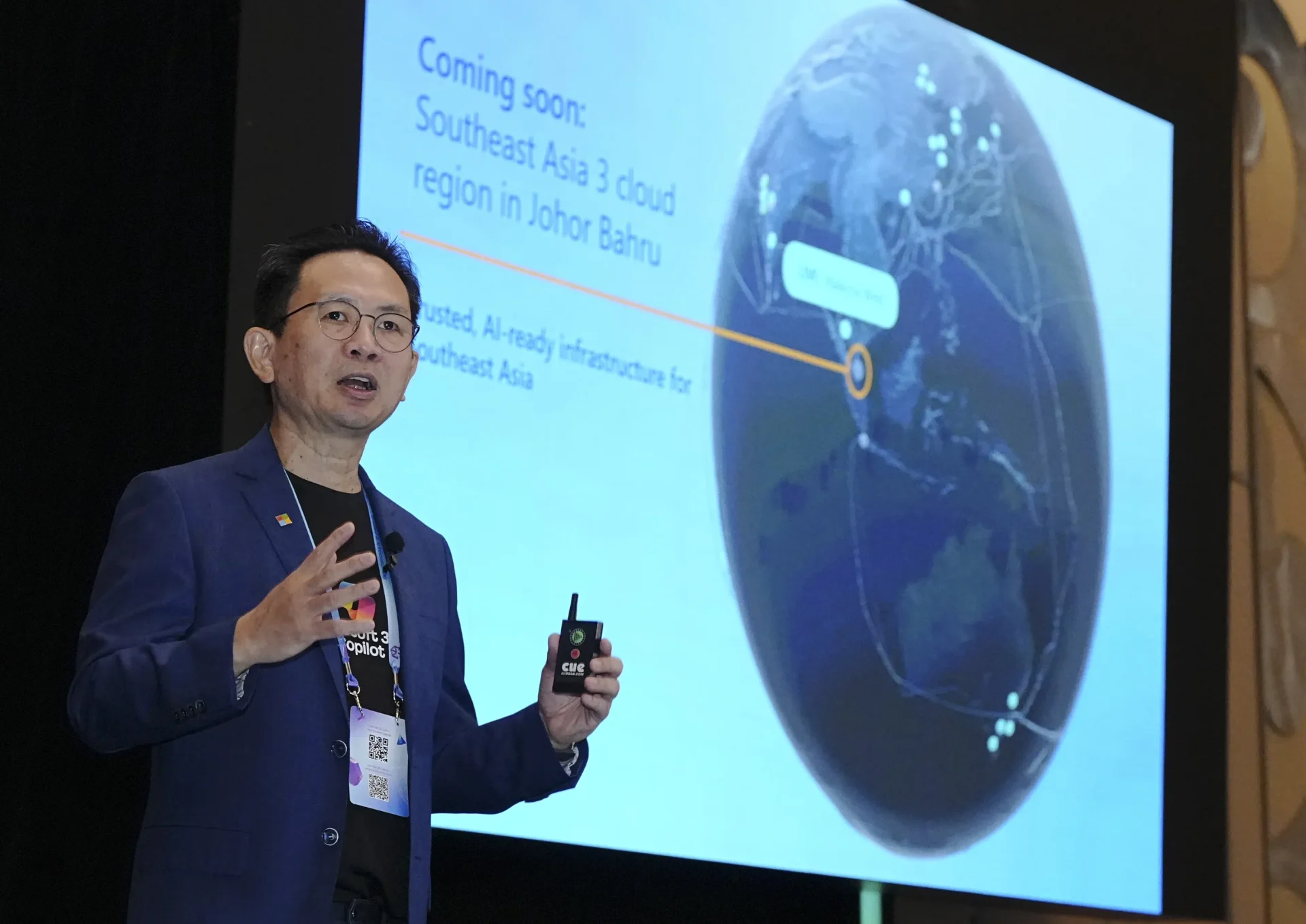
Microsoft has launched its first cloud region in Malaysia, called ‘Malaysia West’, and it’s a pretty big deal that benefits the country, especially the central area in Greater Kuala Lumpur, and marks a major step in Microsoft’s effort to boost Malaysia’s digital and AI growth.

It’s got three availability zones and is built as an AI-ready hyperscale infrastructure, which basically means local organizations can now tap into high-performance, secure, and low-latency cloud services, without data needing to leave the country.
With this launch, Malaysians get access to services like Azure, Microsoft 365, and business tools from the Microsoft ecosystem. And it’s not just tech for tech’s sake since this is about the bigger picture of helping the country move up the digital value chain, with Digital Minister Gobind Singh Deo said this cloud region supports Malaysia’s goal to be a trusted digital hub and a regional leader in the AI economy, while Microsoft’s EVP of Cloud + AI, Scott Guthrie, reinforced that this is part of their commitment to help Malaysia innovate securely and sustainably.

Big local names are already jumping on board like PETRONAS playing a key role by leveraging Microsoft’s infrastructure to drive its own digital and AI transformation, and others, including FinHero, SCICOM, Senang, SIRIM Berhad, TNG Digital, and Veea,m are also tapping into the new cloud region. The demand for secure, scalable cloud solutions that are hosted locally is clearly growing fast.
On the economic front, IDC estimates that Microsoft’s new cloud region could contribute about US$10.9 billion in new revenues in the next four years, with around 16.9% coming directly from Malaysia West. Plus, it’s expected to help create over 37,000 jobs—6,000 of which are skilled IT roles.

But that’s not all. At the Microsoft AI Tour in Kuala Lumpur, the company also unveiled a new initiative called BINA AI Malaysia. The idea is to fuel local AI innovation that is not just through tech infrastructure but also by working closely with various stakeholders across industries. A key part of this is the plan to set up a National AI Innovation Center, in collaboration with EY, PETRONAS Leadership Centre, and the Ministry of Digital’s NAIO. This center aims to develop AI solutions for real-world problems, cultivate talent, and put Malaysia on the map as a serious AI player.
And speaking of talent, Microsoft is doubling down with its AIForMYFuture initiative. Launched in late 2024, the goal is to equip 800,000 Malaysians with AI skills by the end of 2025. So far, 400,000 people have already received training across various sectors. Laurence Si, Managing Director of Microsoft Malaysia, said this is about more than infrastructure—it’s about helping Malaysians, whether they’re in big corporations or underserved communities, to be future-ready.
To hit its training targets, Microsoft is partnering with a wide range of groups like Biji-biji Initiative, IWFCIM, iTrain, PEOPLElogy, Pepper Labs, and TalentCorp. All in all, it looks like Microsoft is going all-in on Malaysia—from infrastructure to innovation, and especially in building AI talent that can take the country into its next digital chapter.