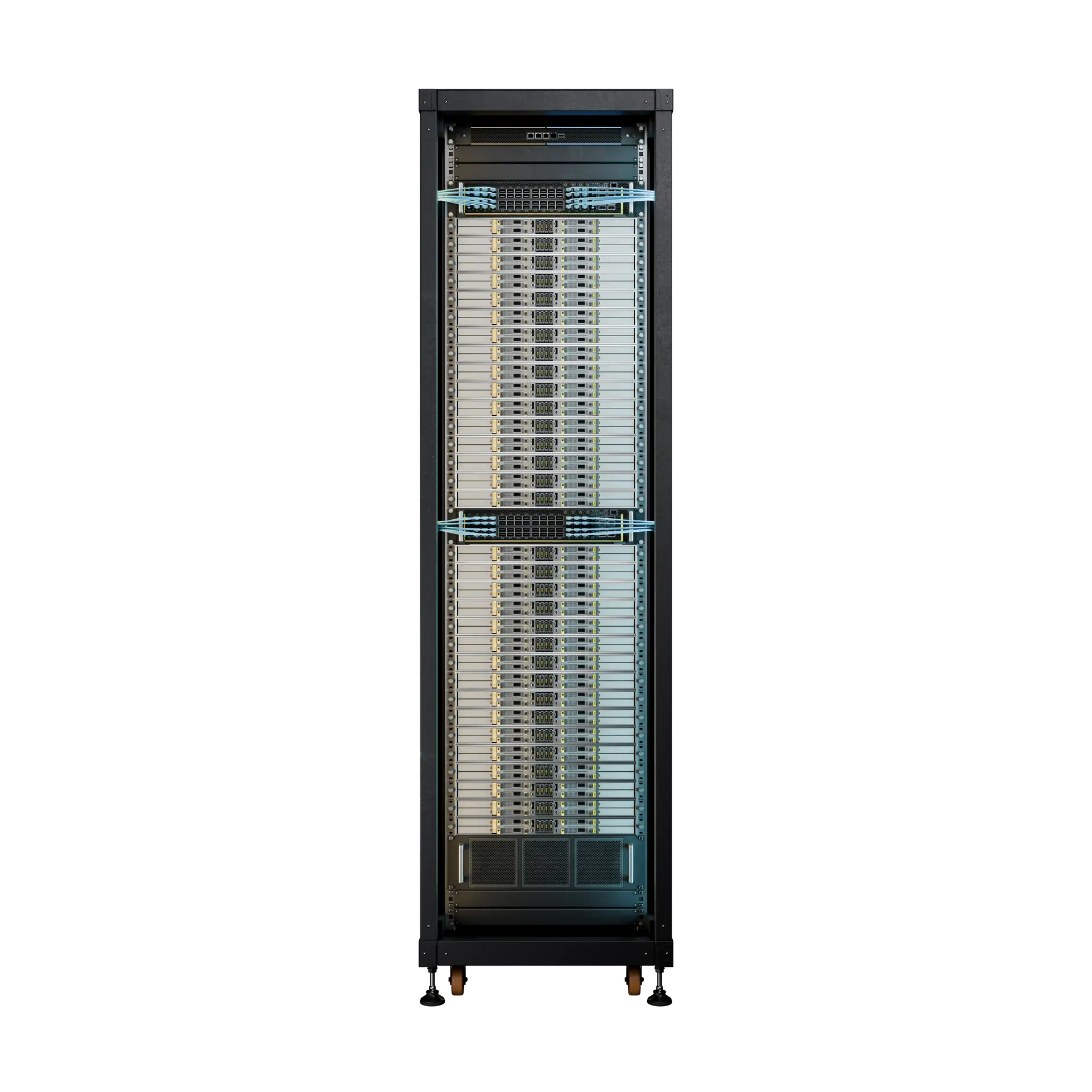
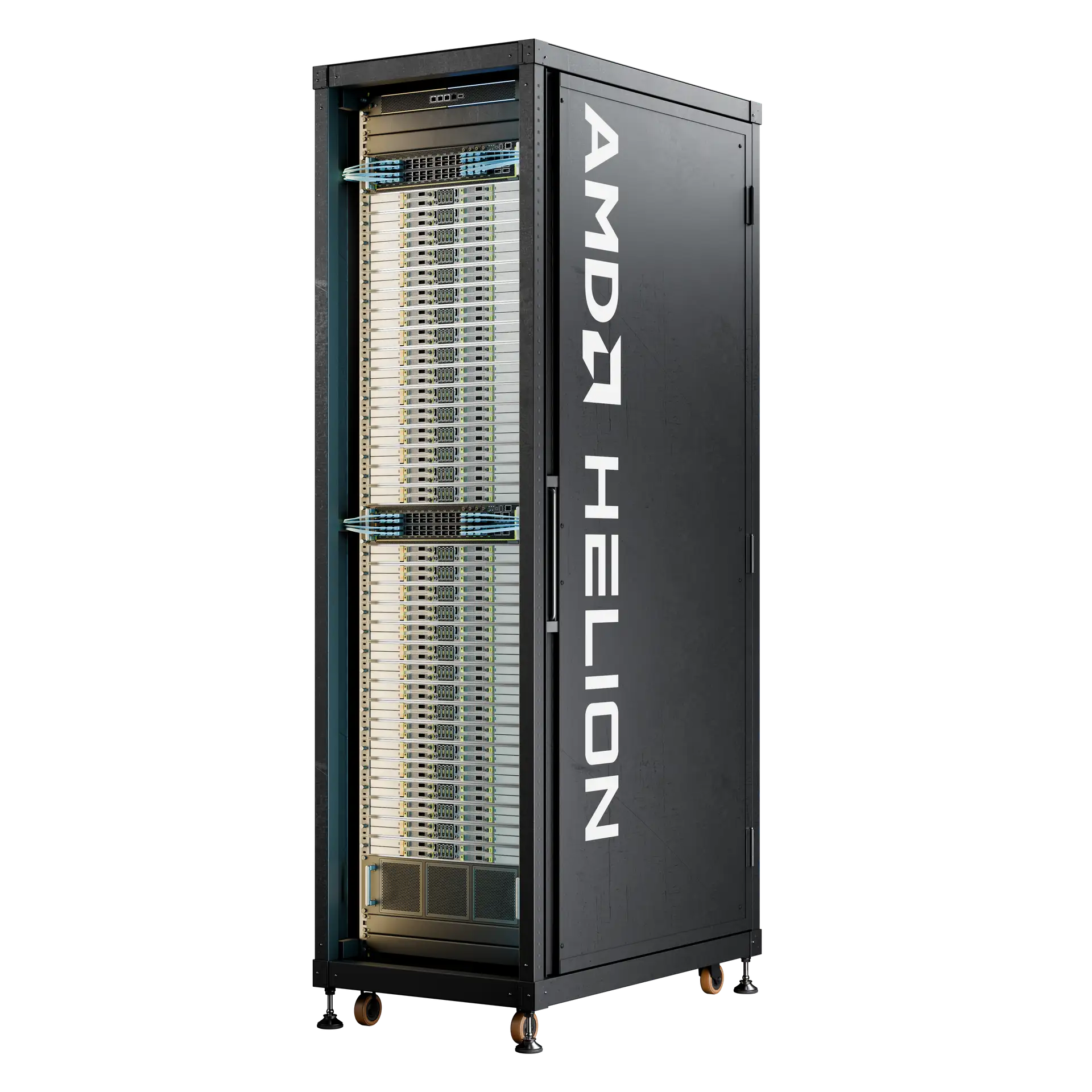
AMD is making another push into the AI hardware ecosystem with the introduction of AMD Helion, its latest open blueprint designed specifically for rack-scale agentic AI infrastructure.
Built on an Open Compute Project (OCP) spec-design and leveraging AMD’s compute stack, Helion aims to give enterprise deployments and hyperscalers the flexibility they need as AI workloads move beyond simple chat queries into complex, multi-step agent execution.
Flexible Configurations for Different Demands
According to AMD, agentic AI isn’t a one-size-fits-all workload. It spans personal agents, enterprise apps, code execution, and heavy workflows, each demanding different hardware balances. To tackle this, the Helion blueprint supports modular, liquid- and air-cooled configurations tailored for specific environments:
- Hyperscale CPU-Only Racks: Powered by 6th Gen AMD EPYC processors, these setups can pack up to 32,768 CPU cores into a single rack blueprint, offering dedicated muscle for agent execution paired with external model inference infrastructure.
- Enterprise All-in-One Racks: For businesses looking for an integrated approach, these systems combine AMD EPYC CPU nodes, AMD Instinct MI350P GPU nodes, and general-purpose compute onto a single platform, housing agent execution and model inference under one roof.
Open Ecosystem and Industry Support
True to its open-platform roots (following the earlier Helios rack-scale solution), AMD plans to contribute the Helion specifications directly to the OCP community. The blueprint also features an integrated token router designed to direct agent model calls smoothly across both frontier and open-source models.
Major industry players are already lining up behind the initiative. Partners like Cisco Compute, Dell Technologies, Hon Hai Technology Group, HPE, Lenovo, QCT, Supermicro, and Wiwynn are collaborating on rack-level integration, advanced cooling solutions, and deployment-ready reference designs.
AMD Helion configurations are currently under development with ecosystem partners, with production-ready options expected to roll out starting November 2026.