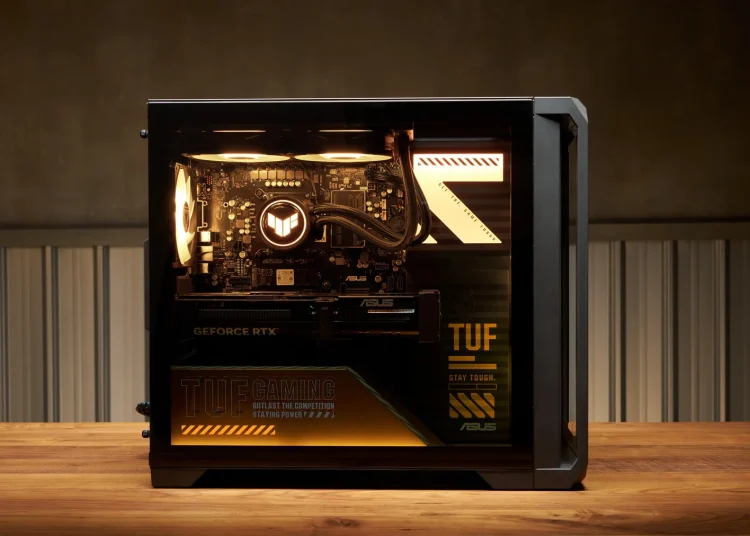
When we think about personal computers, we often imagine bulky boxes tucked under desks, fans whirring away, and cables trailing behind. For years, many of us have believed that the more powerful the PC at home, the better our experience would be—especially for things like gaming, graphic design or editing videos. But times are changing. With high-speed internet access more widely available than ever, people are starting to wonder if they really need expensive, top-notch computer hardware at home. After all, if you can log into a high-spec virtual PC from anywhere in the world, doesn’t that mean less demand for large desktop towers and all the pricey components that go with them?
The Rise of Cloud Computing
Most of us are used to storing photos, music and documents online. Cloud computing has made it so simple: you can snap a photo on your phone, and it appears in your online storage moments later, ready to be accessed from your tablet or laptop. But storing your data online is only one part of the puzzle. The real power behind cloud computing lies in using remote servers not just as storage but as your actual “computer.” Instead of your personal device doing the heavy lifting, a server somewhere else handles the grunt work.
This shift from relying on local machines to remote servers has been gathering momentum for years. Take film streaming services, for instance. Instead of buying a DVD or downloading a massive file, you simply press “play” and the film streams to your device in real time. You don’t need to store it; you just need the connection. This is, effectively, what killed Blockbuster. That same principle is now being applied to a range of software tools, from word processors to complex 3D rendering applications. By logging into an online service, people can let a powerful machine in a data centre do the work while their device only needs to display the result.
Windows 365 and the Virtual PC
Windows 365 is an interesting example of just how far this concept of the cloud-based PC can go. Instead of installing Windows on your home computer, you access a fully functioning Windows desktop through your internet browser. In other words, you can switch on your old, low-spec laptop, tablet or smartphone and then connect to your very own virtual PC in the cloud.
It’s a bit like logging into a remote office computer but on a massive scale. All the software, all the processing, and all the storage live on a server in a data centre. At home, the only things you need are a stable internet connection and a device capable of displaying the stream. Whether you’re working on a huge spreadsheet, playing the latest games or editing videos, the physical device in your hands does very little of the complex processing. All of that is handled by powerful machines somewhere else, which are always kept up to date with the latest hardware and software.
How Online Casinos Paved the Way
Interestingly, one of the early examples of letting a remote server do all the hard work can be found in online casinos. These sites have offered thousands of visually stunning casino games for well over a decade, and they’ve managed this by running the main processes on servers, not on your home computer. That way, even if your personal device wasn’t top-of-the-line, you could still enjoy graphics-rich slot machines or live dealer experiences.
This approach was a hint at what was possible. By logging into a single low-demand website or portal, you can instantly access a vast library of games that would otherwise require a powerful home setup. The casinos’ servers did the number crunching, leaving your device to simply display the results. The model works, and the number of casino operators UK players have to choose from grows every day. This concept has become part of our everyday lives in many other areas—video streaming, game streaming, and more advanced cloud services like Windows 365. Although it’s definitely convenient, it also raises big questions about the future role of personal hardware.
Does Physical Hardware Still Matter?
With all this talk of remote servers and virtual desktops, it’s easy to assume that the days of the trusty home PC might be over. After all, if you can connect to something like Windows 365, why bother buying a fancy computer at all? But there are still some good reasons why physical hardware could stick around for a long time.
Firstly, your internet connection might not always be reliable or might not be fast enough to keep up with a remote computer. When your whole PC is running on a server miles away, a spotty connection can ruin your work session, gaming night or film marathon. Also, while cloud services are brilliant for many tasks, there are times when you’d prefer to store and process data locally for privacy or security reasons.
Secondly, there’s the issue of cost. Although you might not have to buy expensive hardware, you’d often pay an ongoing subscription fee for cloud services. While reviews of the product are good, higher-spec virtual machines cost more per month. Over time, these costs can add up. If you love building your own computer or want total control over how it works, the cloud might not be appealing. Enthusiasts still take pride in custom setups, often tinkering with various parts to squeeze out the best performance. That’s something you can’t fully replicate when you’re basically just logging into a shared resource.
Is There a Definitive Answer?
So, is the PC hardware era coming to an end? Well, it’s not going to vanish overnight. For everyday computing—like browsing, streaming, and simple work tasks—more folks will probably shift to cloud services. After all, the idea of never having to install updates or replace old components is appealing. That being said, people with specialist needs or the desire for a custom experience may still choose to keep a high-spec system at home.
As the years go by, the cloud will undoubtedly become more sophisticated, and internet speeds should keep improving. That means the arguments in favour of ditching home hardware might become stronger. But for now, there’s still a place for both approaches. The idea of turning on a small device and hopping straight into a top-tier computer setup in the cloud is amazing, but it won’t be the only option. Some of us still like hearing that quiet hum of fans and knowing we have a powerhouse right under our desk—no matter what’s happening out there on the big, wide internet.