At COMPUTEX 2025, Arm has announced that they are going all in on delivering the best hardware and software stack for AI, regardless of whether it is for cloud or the edge.
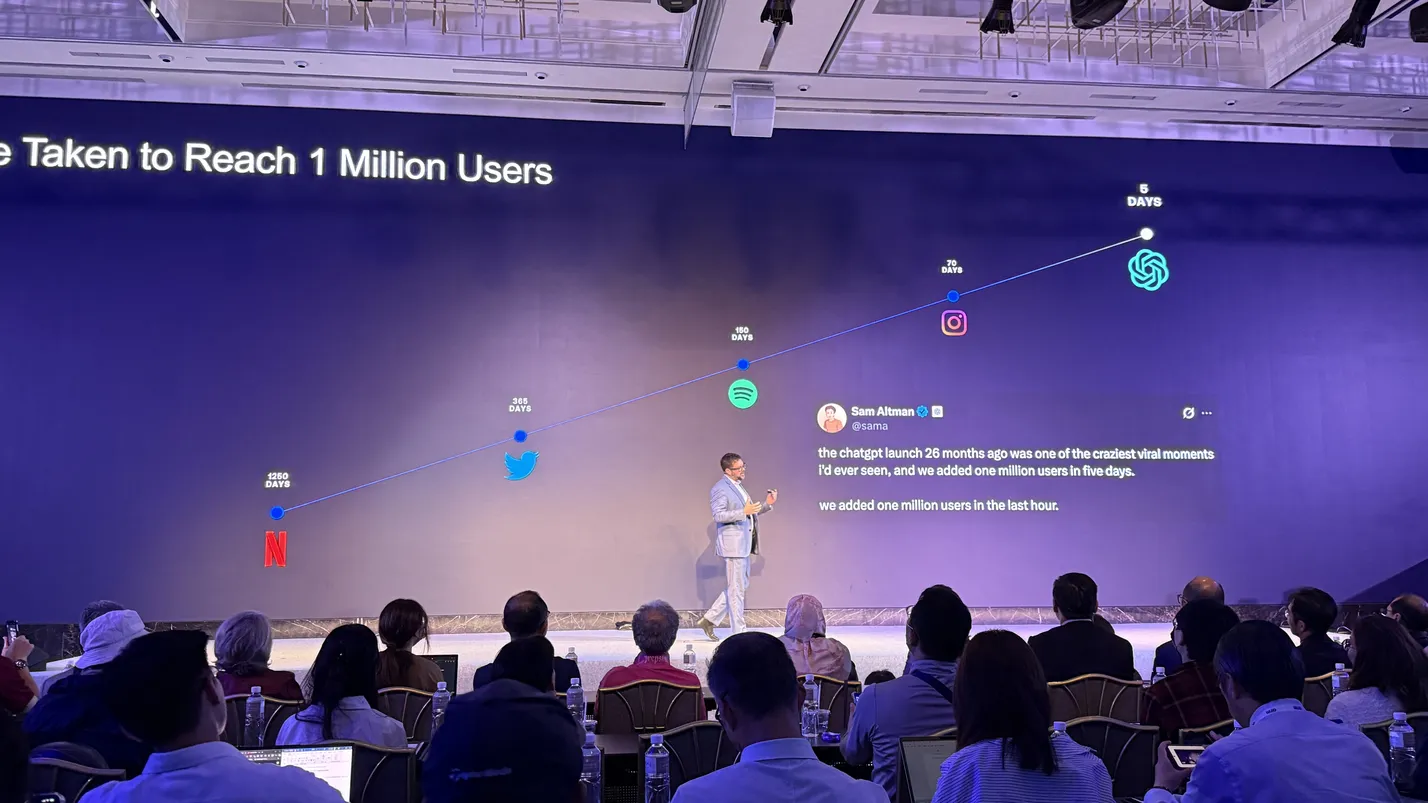
One big theme from Senior VP Chris Bergey’s talk: AI isn’t just something that lives in the cloud. It’s quickly moving closer to us – into our phones, our laptops, even our cars. The rise of physical AI means we’re entering an era where systems can sense, interact with, and respond to the real world. That’s where Arm’s decades of work on power-efficient performance pay off, thanks to its expertise on prioritizing efficiency for more than 40 years.
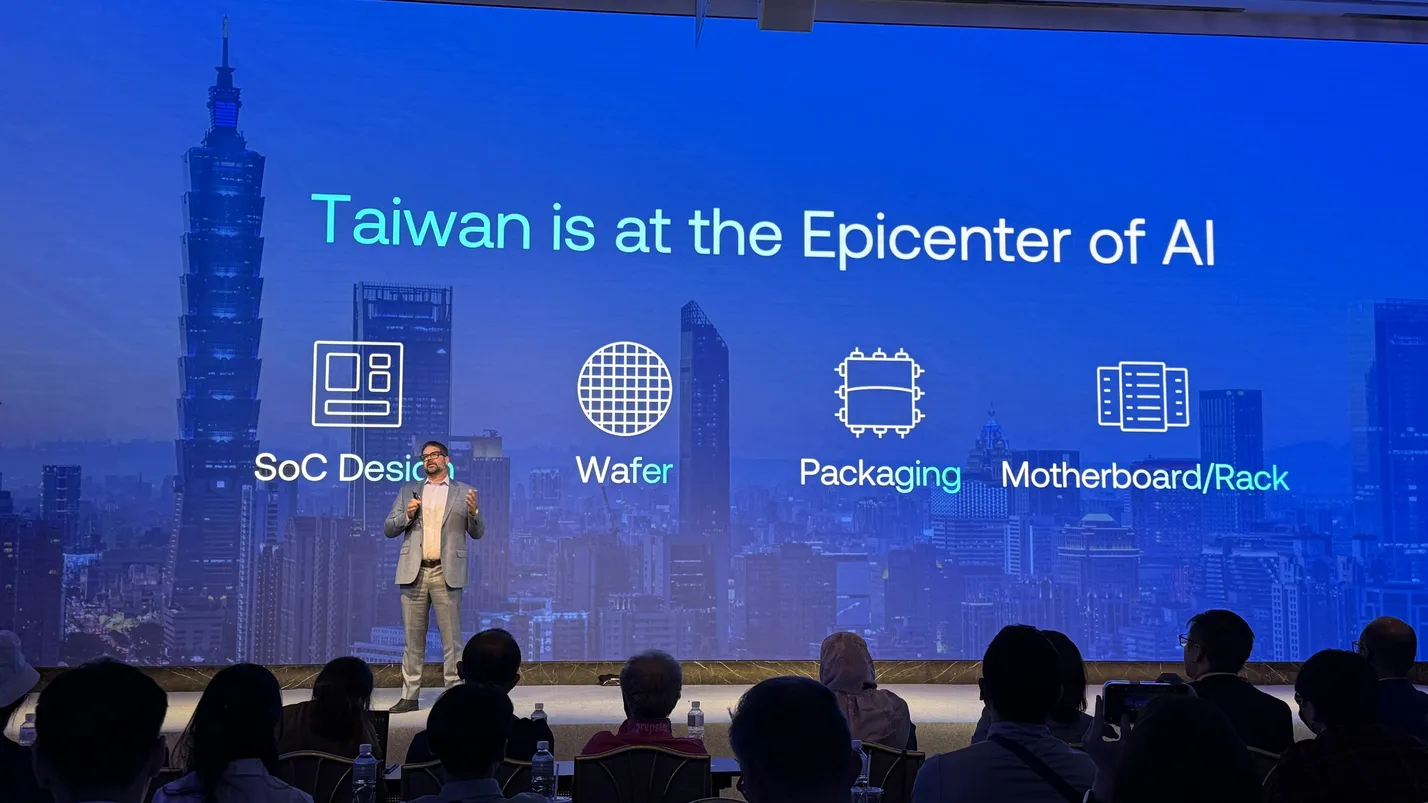
Bergey also took a moment to spotlight Taiwan’s pivotal role in all this. With its deep-rooted expertise in design, engineering, and manufacturing, Taiwan forms the backbone of the global AI supply chain. But the future isn’t just about maintaining that position – it’s about scaling it. And Arm says that will take more innovation, more collaboration, and more ambitious thinking than ever before.
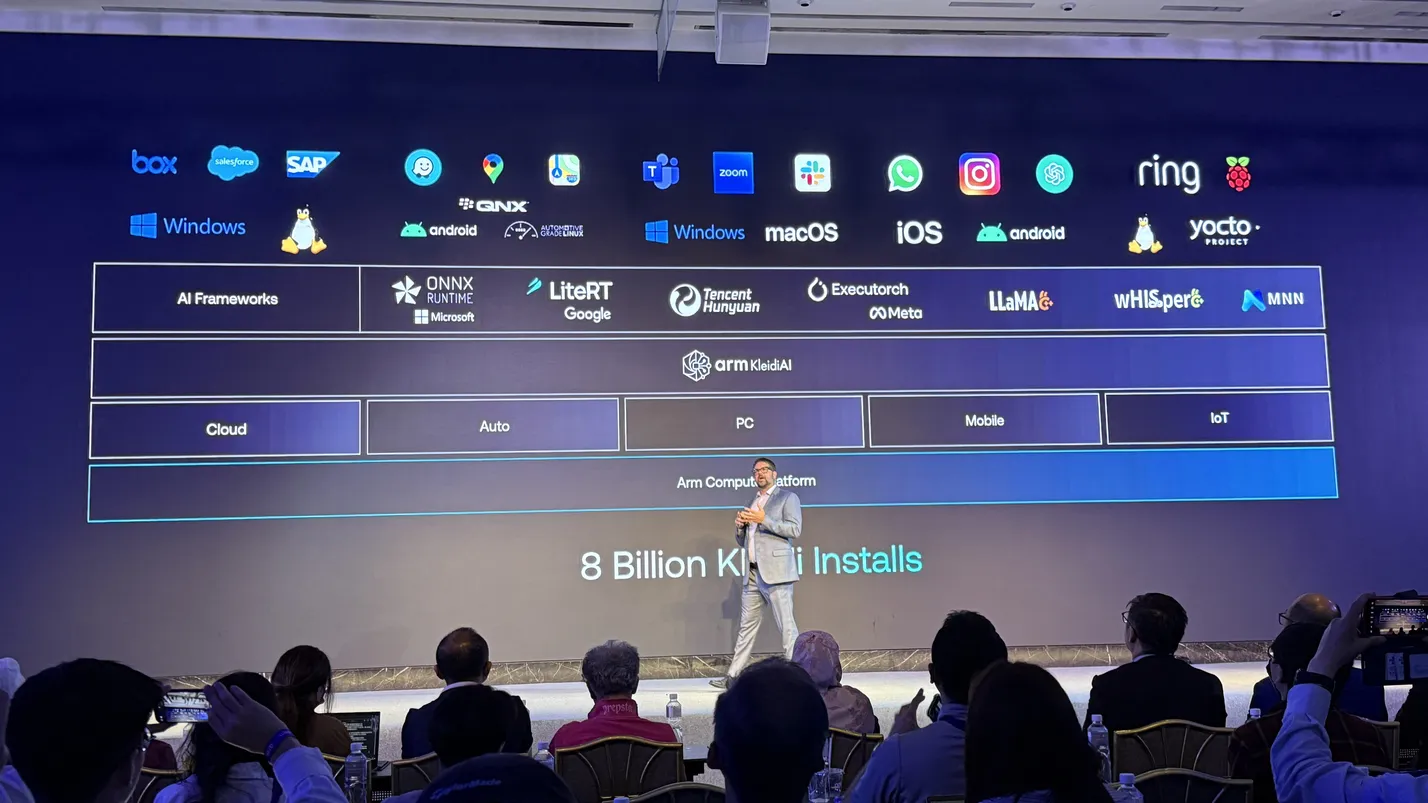
Arm’s vision rests on three pillars: a ubiquitous platform from cloud to edge, support for the world’s largest developer ecosystem, and unmatched performance per watt. And they’re not starting from scratch – over 310 billion Arm-based chips have already shipped.
One standout example is KleidiAI, the AI-optimized library suite Arm launched last year. It’s already integrated into leading frameworks like ONNX Runtime, PyTorch, MediaPipe, ExecuTorch, and even supports China’s major AI models like Qwen and Hunyuan. The goal? Make AI work better on Arm CPUs, no matter the application or device.
On the other hand, news or announcements about training AI get all the headlines, but Bergey made it clear: inference is where AI delivers actual value to users. Whether it’s on your smartphone, in your car, or at the edge, that’s where power efficiency becomes make-or-break.
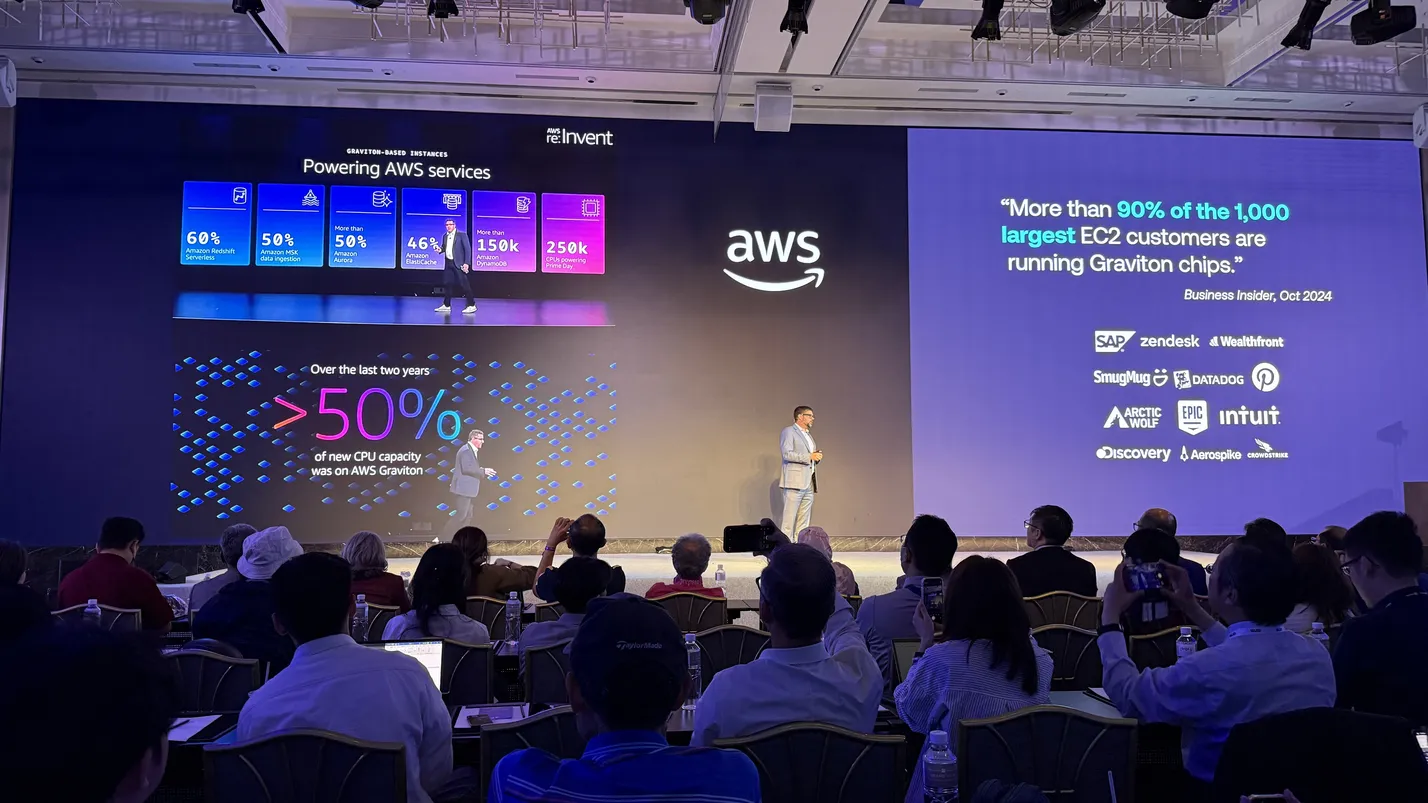
Cloud infrastructure is also undergoing a massive rethink. Arm-based CPUs are now powering more than half of AWS’s new compute capacity, thanks to the energy efficiency of Graviton chips. And every major cloud player is joining in, citing at least 40% efficiency savings. With datacenter power consumption in Taiwan projected to spike 8x by 2028, this shift is more necessity than choice.
Arm’s Neoverse CPUs are also playing a key role in NVIDIA’s Grace Blackwell system, which combines CPUs, GPUs, and DPUs into a tightly integrated platform designed for AI-first workloads. This kind of system-wide optimization is essential, Bergey said, because legacy architectures simply weren’t built for AI.

You probably already use an Arm-powered smartphone (they run 99% of them), but now the company is expanding its reach across PCs and even into devices like Chromebooks and ultra-light laptops. MediaTek’s Kompanio Ultra chip, built for thin-and-light laptops, is one example of how Arm is bringing AI to students, creators, and everyday users.
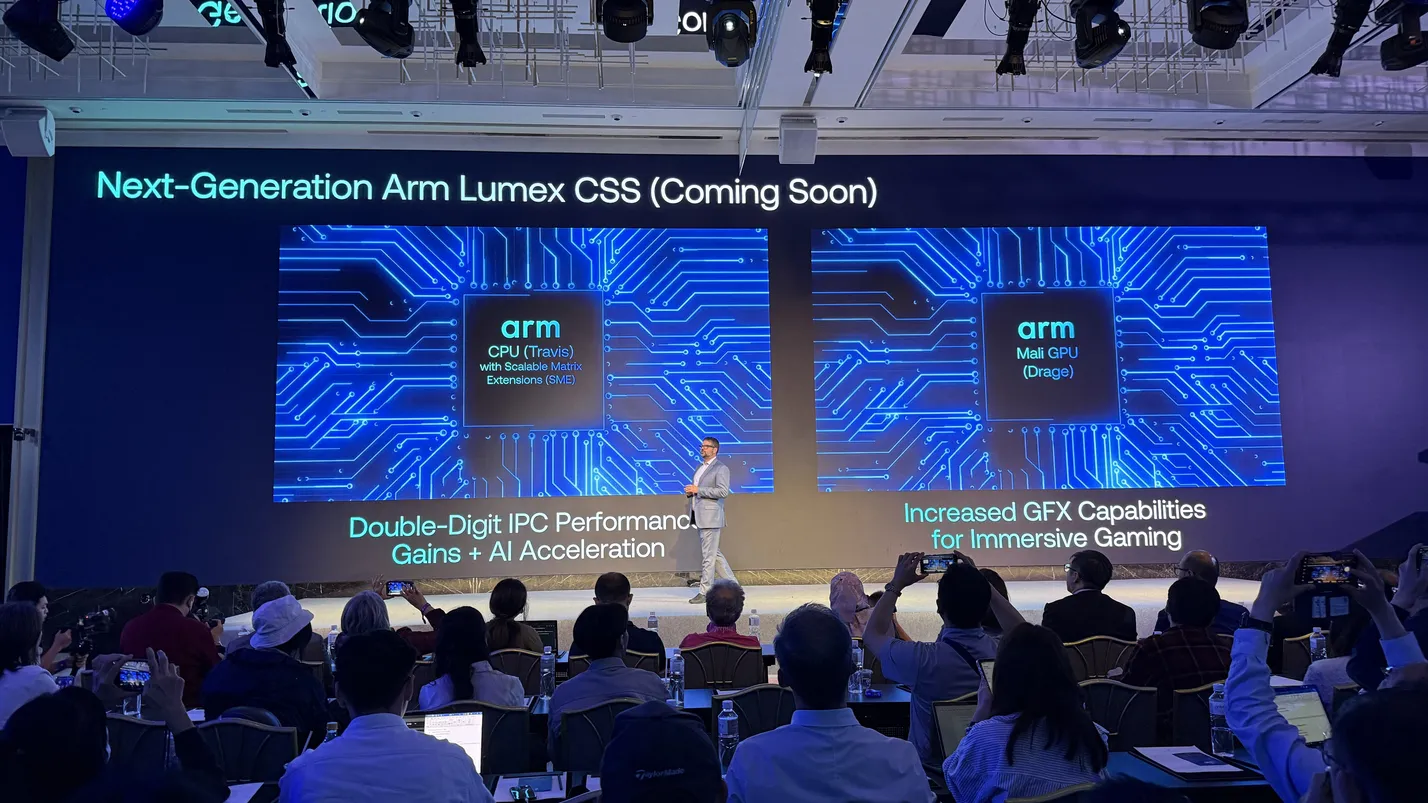
Lastly, Arm is already working on what’s next. Their new flagship CPU, codenamed Travis, will use Scalable Matrix Extensions (SME) to drive “multi-fold” AI performance gains, along with double-digit IPC improvements. On the GPU side, Drage – the next-gen Mali – is set to deliver console-grade graphics and sustained performance for rich content and mobile gaming.